
The Most Unusual Pianos, from the 19th Century to Today
Transparent, giant, futuristic, or whale-inspired… the piano is not limited to the traditional black grand piano found in concert halls. For over a century, piano builders, designers, and engineers have been competing to push the boundaries of this iconic instrument. Here is a selection of pianos that are as surprising as they are extraordinary.
Antique and Rare Pianos
The Giraffe Piano: An Upright Piano with a Spectacular Design
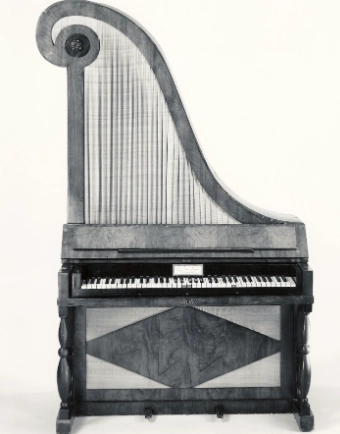
First appearing in the early 19th century, the giraffe piano owes its name to its slender silhouette, which resembles the animal’s long neck. At a time when manufacturers were seeking to optimize the space efficiency of their instruments, this model made it possible to accommodate longer strings within a vertical format. Its unique appearance now makes it a true museum curiosity. Although it gradually disappeared in favor of the modern upright piano, it stands as a testament to the inventiveness of the piano builders of that era.
What is a piano mover?
In the world of music, the word "factor" does not refer to a mail carrier. A piano factor is a craftsman who specializes in the design, manufacture, restoration, and maintenance of pianos.
This craft of the highest caliber requires a wide range of skills: woodworking, precision mechanics, acoustics, and the tuning of strings and hammers. Some scale pianos scale several months—or even more than a year—of work before they are completed.
The square piano: the predecessor of the parlor piano
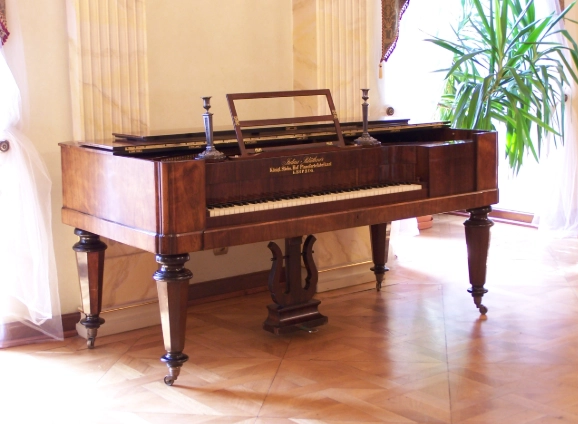
Before the upright piano became common in homes, the square piano was one of the most widespread instruments in Europe and North America. Its strings are arranged horizontally within a rectangular soundboard that is more compact than that of a grand piano. Highly prized by wealthy families in the 18th and 19th centuries, it played a major role in popularizing piano lessons at home. Today, these instruments are sought after by collectors and enthusiasts of music history.
The Pedal Piano: The Organ's Surprising Cousin
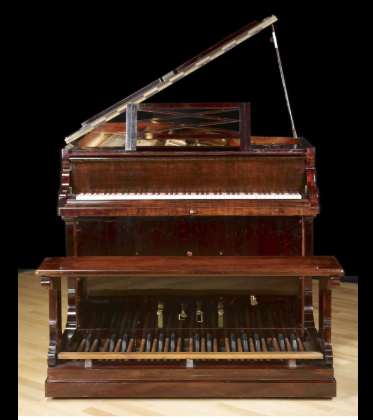
A cross between a piano and an organ, the pedal piano is equipped with a pedalboard that allows the player to play low notes with their feet. This configuration offers greater polyphonic possibilities and allows organists to practice without having access to a full-sized organ. Several 19th-century composers, including Robert Schumann and Charles-Valentin Alkan, composed works specifically for this instrument. Despite its musical significance, it remains one of the rarest pianos in the world today.
Find the perfect composer to help you improve your piano playing.
Pianos That Are Reinventing the Way We Play
The Prepared Piano: When the Piano Becomes a Percussion Orchestra
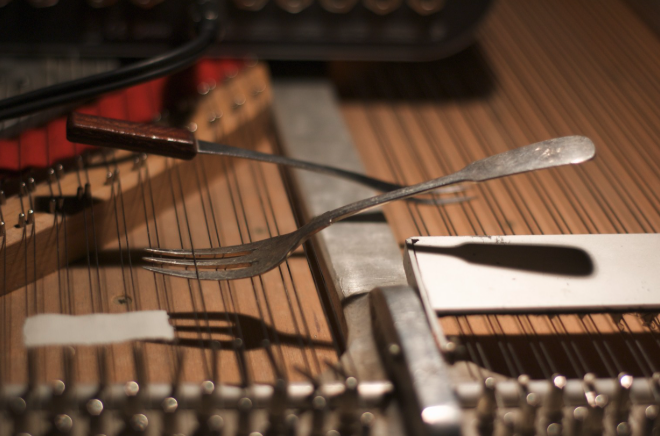
Popularized by John Cage in the 1940s, the prepared piano involves inserting various objects between the strings: screws, nuts, erasers, pieces of felt, or even paper. Rest assured, these items are not meant to damage the instrument. They alter the vibration of the strings to produce new sounds. Some notes then evoke percussion, gongs, or traditional instruments from other cultures.
The Pleyel Double Piano: The Art of Face-to-Face Piano Playing
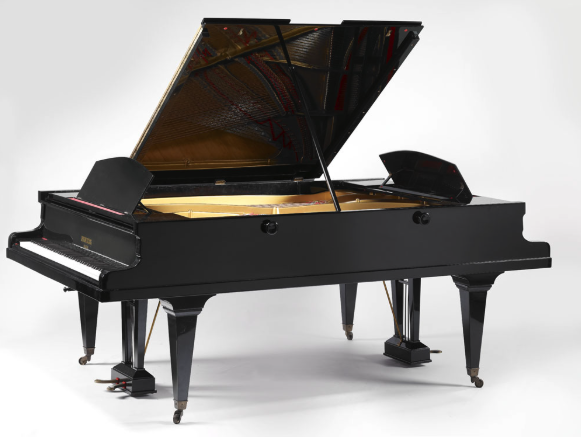
Designed in the 19th century by Pleyel, the Pleyel double piano is an instrument consisting of two keyboards positioned facing each other and connected to a single soundboard. Unlike the traditional four-hand piano, where musicians share the same keyboard, this design allows each player to have their own playing space while maintaining perfect sonic harmony. Highly prized for chamber music, it also facilitates visual interaction between the performers. Production ceased after World War II.
The Sinhakken Piano: A Keyboard Without Black Keys
Invented in Japan, the Sinhakken piano is striking at first glance: it has only 52 white keys, whereas a traditional piano has 88, divided between white and black keys. Semitones are achieved through a mechanical system that allows access to the full range of notes despite this apparent simplification. While its goal is to make certain musical concepts more accessible, it primarily forces experienced pianists to rethink all their visual and physical cues. This approach demonstrates that it is still possible to reinvent the keyboard more than three centuries after the invention of the piano.
Discover the 10 most common mistakes to avoid in order to improve your piano playing.
When the Piano Becomes a Work of Design
The Schimmel Pegasus: The Piano from the Future
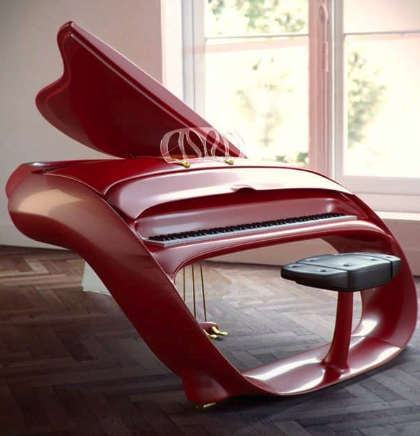
Designed by Luigi Colani for the Schimmel brand, the Schimmel Pegasus is probably one of the most spectacular pianos ever created. With its futuristic lines, asymmetrical stand, and lid that appears to be suspended, it resembles a spaceship more than a traditional grand piano. Produced in a limited series and available in a variety of customizable finishes, it is now considered one of the most exclusive pianos in the world.
The Whaletone: A Piano Inspired by the Oceans
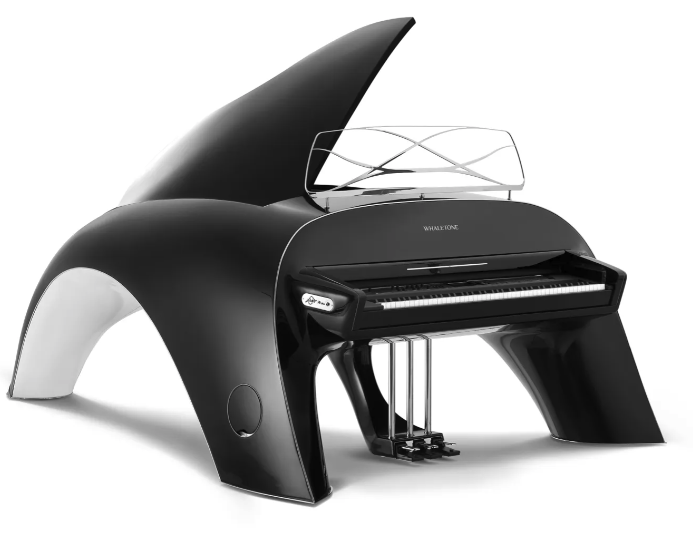
As its name suggests, the Whaletone draws direct inspiration from the silhouette of a whale. Designed in the 21st century, this digital piano stands out for its organic shapes and bold colors. Equipped with scale digital technology, it reproduces the tone and nuances of a grand piano while offering the advantages of digital technology: a built-in amplifier, a speaker system, connectivity with other audio equipment, and the option to play with headphones. Its originality comes at a price: expect to pay at least €75,000 to purchase one.
Acrylic Pianos: Music in All Its Transparency
Imagine a piano where every part is visible at a glance. Made of clear acrylic, these models reveal the strings, hammers, and the instrument’s entire internal mechanism. They are very popular at concerts, galas, or prestigious events, they offer an incredible visual experience that allows the audience to better understand how a piano works.
The Pianocktail: a piano born from the imagination of Boris Vian
If you've already read Boris Vian's *L'Écume des jours*, you may already be familiar with the pianocktail. This invention, as poetic as it is unusual, combines music and mixology. How does it work? Each note played on the piano corresponds to an ingredient, allowing you to create a different cocktail depending on the song being played. Long considered fictional, this instrument was finally brought to life by French engineer Simon Boulé.
6 Useful Accessories to Help You Get Started on the Piano.
Pianos of the Future and Contemporary Innovations
The Klavins Model 370: The Giant of Upright Pianos
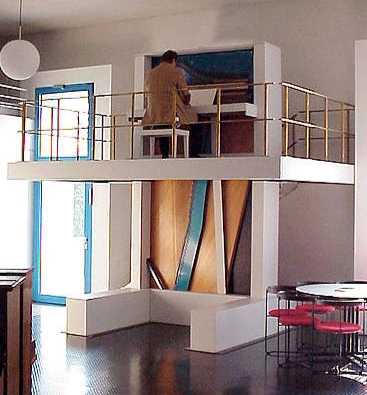
At 3.70 meters tall, the Klavins Model 370 pushes the boundaries of the traditional upright piano. Designed by piano builder David Klavins, this extraordinary instrument was conceived to accommodate strings that are much longer than those of a conventional piano. The result is exceptional harmonic richness, deep bass tones, and a particularly expansive resonance. Its monumental size makes it as much an acoustic marvel as it is a work of architecture.
The Bogányi Piano: Rethinking the Piano for the 21st Century
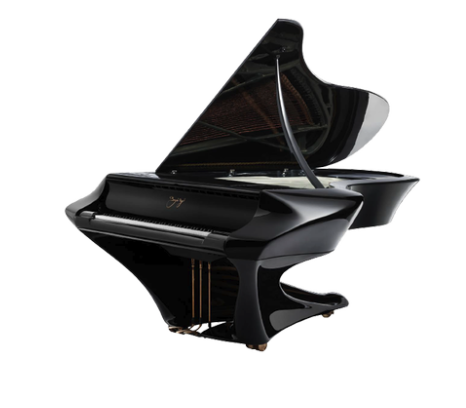
Conceived by pianist Gergely Bogányi, the Bogányi Piano breaks with centuries of tradition. Its structure incorporates modern composite materials that replace certain elements typically made of wood. Its futuristic design, characterized by a sculptural base and clean lines, certainly turns heads. Beyond its aesthetics, this piano was designed to optimize sound projection and improve the instrument’s stability in the face of temperature and humidity fluctuations.
Lady Gaga: When the Piano Steals the Show
Lady Gaga's keyboardist, Brockett Parsons, regularly performs on an amazing circular piano designed specifically for the singer's tours. Thanks to its 360° design, he can play while moving around the instrument.
This creativity is also evident in the pianos used by Lady Gaga herself. Throughout her career, the artist has played on instruments as extravagant as a piano shaped like a giant high-heeled shoe, a piano inspired by the world of Salvador Dalí, and pianos covered in flowers and feathers. For Lady Gaga, the piano is as much a musical instrument as it is a full-fledged performance prop.
The Silent Piano: Play Without Disturbing Those Around You
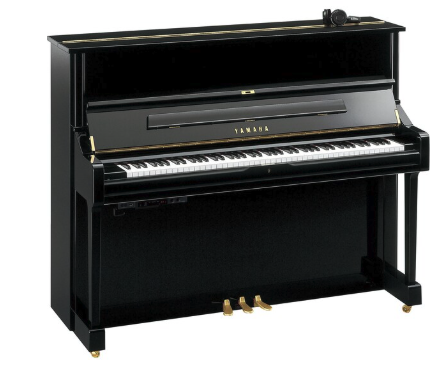
Developed primarily by Yamaha and other manufacturers, the silent piano is one of the most significant innovations of recent decades. The principle is simple: a system stops the hammers before they strike the strings, while sensors record the pianist’s playing and reproduce it through headphones. The instrument thus retains the touch and feel of a real acoustic piano while allowing you to play at any time of day or night. This solution is highly appreciated by musicians who live in apartments or share their living space with others.
Theremin, Chinese flute, harp guitar, or thumb piano— discover 15 rare musical instruments to impress your friends.
The piano is evolving, and so are the sheet music 🎹
From the giraffe piano to the silent piano, the history of the piano is marked by innovations. Today, this evolution also includes digital sheet music. Thanks to Newzik, pianists can centralize their sheet music, annotate their pieces, organize their concert programs, and access their library from anywhere. A solution designed for today’s musicians, from the conservatory to the stage.
Download the Newzik app (7-day free trial)
