Classical music and younger generations: a new craze?
For a long time, classical music has had a stubborn reputation. Too serious, too complicated, too far removed from current practices. And above all, music that we imagine to be incompatible with younger generations, their rhythms, their screens, and their listening habits.
However, something is changing. Classical music is reappearing where you least expect it: in TV series, video games, playlists, and even on social media. What if, without realizing it, some of the younger generations were already listening to classical music?

Key points to remember
Classical music is everywhere in the daily lives of younger generations: TikTok videos of pianists or violinists, popular TV series (Wednesday, Euphoria), video games with orchestral soundtracks (Zelda, Final Fantasy, Skyrim).
Many young musicians use TikTok or Instagram to share their rehearsals, progress, song excerpts, or spontaneous performances.
The discovery comes less through complete works than through excerpts, covers, short formats, or alternative uses.
Classical music: why did it seem inaccessible for so long?
Over time, classical music has become surrounded by codes that may have discouraged some of the audience. Formal concerts, absolute silence, technical vocabulary, long works: all these elements give the impression that you already need to "know" something in order to be allowed to listen.
Added to this is an image often linked to school or institutional settings. Many people discover classical music at school, sometimes in a very theoretical way, far removed from the simple pleasure of listening. As a result, it is perceived as a cultural obligation rather than an experience to be enjoyed.
Finally, classical music has long been underrepresented in the places where young people consume culture today and is rarely promoted in mainstream media or on digital platforms.
🎼 Classical music, teaching, and musical awareness: a decisive first encounter
For many, their first contact with classical music is through school education or early music education. These first encounters can spark curiosity or, on the contrary, reinforce the image of music as serious and academic.
When approached in an overly theoretical manner, classical music can seem abstract, especially to children. Conversely, an approach based on listening, playing, and sensory discovery promotes a more positive musical awakening. It allows children to explore sounds, emotions, and rhythms in a playful way.
Feedback: teaching music to young audiences with Maxime Proix, certified music teacher.
🎭 Opera, a symbol (often unfairly) of the inaccessibility of classical music
When we talk about classical music, opera is often the first genre that comes to mind. The length of the works, the singing, the foreign languages, the rules of etiquette in the auditorium: everything seems designed to impress, or even exclude. And yet, opera is above all about storytelling. Stories of love, jealousy, power, and rebellion. Strong emotions that everyone can relate to.
Today, new initiatives are seeking to make opera more accessible, particularly to children and young audiences, through short formats, educational adaptations, and online broadcasts.
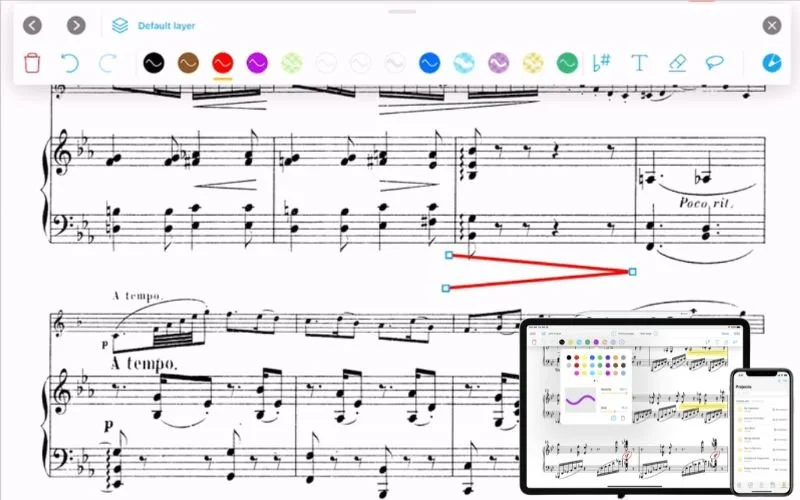
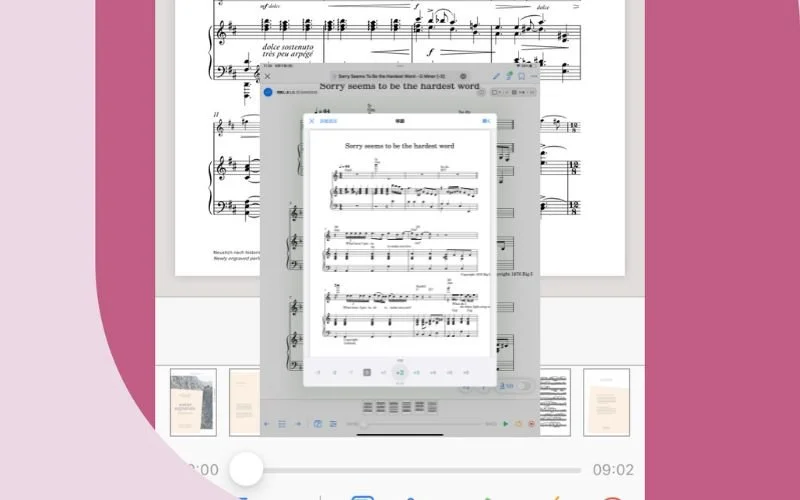
Interactive sheet music, smooth playback, tools designed for learning and practice: Newzik App supports musicians, students, and enthusiasts in their exploration of classical and contemporary music.
A new generation that is more curious than we think
Younger generations consume music differently: more intuitively, often guided by emotion rather than genre or era. Accustomed to playlists and algorithmic recommendations, they navigate effortlessly between styles. Switching from rap to a piano piece or an orchestral soundtrack is no problem. What matters is not the label "classical music," but how the music makes you feel.
This curiosity is also expressed in their approach to discovery. Young listeners do not necessarily expect to be given explanations or theoretical knowledge. They listen, try things out, and keep what appeals to them. This freer approach naturally opens the door to repertoires that were once considered inaccessible.
In 2025, Radio France celebrated the 10th edition of Hip-Hop Symphonique. An event that brings together rap and RnB artists with a symphony orchestra on the same stage.
The principle is simple: iconic French rap songs are reinterpreted with orchestral arrangements, without attempting to smooth out styles or pit genres against each other. Rap retains its energy, classical music its power, and the two engage in dialogue.
This type of project shows that classical music is not static. It can accompany contemporary musical forms, appeal to other audiences, and build bridges between generations. For many audience members, it is also their first encounter with a symphony orchestra.
TikTok, TV series, video games: when classical music is everywhere
Without always realizing it, younger generations encounter classical music almost every day. Not in concert halls, but where they already spend their time: on their screens.
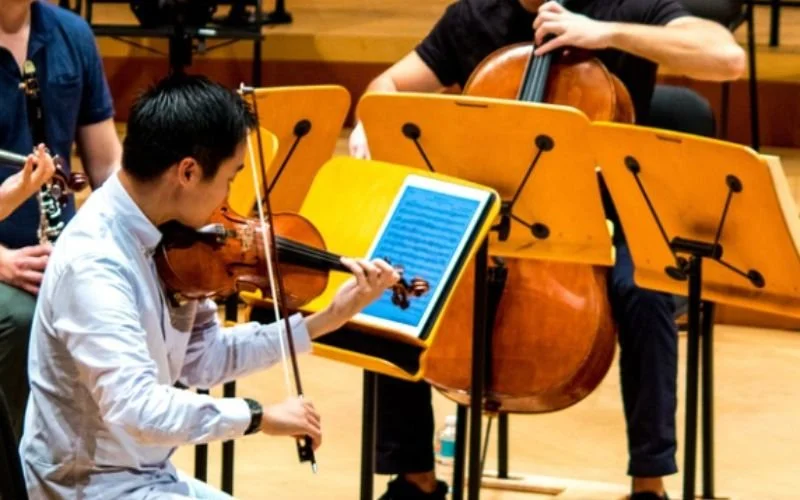
On TikTok, classical music is no longer just a soundtrack. It has become content in its own right. Many young musicians post videos of themselves playing the piano, violin, cello, or other classical instruments. Excerpts from well-known pieces, practiced passages, daily rehearsals, or impromptu performances: the practice is shown without any formal staging, often in a bedroom, living room, or music school hallway. These videos often reach a wide audience, far beyond the circles of musicians.
Classical music is much more prevalent in TV series and films than one might imagine. We hear it in Wednesday, where the cello is an integral part of the series' identity, in Euphoria, carried by piano and string arrangements, and in Bridgerton, which revisits current pop songs (Ariana Grande, Billie Eilish, Taylor Swift) in orchestral versions. These are familiar melodies, rearranged in the classical style, which young people listen to without interruption, almost naturally.
When it comes to video games, the orchestra is omnipresent. Final bosses, fantasy worlds, narrative phases: everything is based on codes inherited from classical music. For example, Beethoven's Moonlight Sonata No. 14 is is featured in Resident Evil and other games, and BioShock Infinite uses excerpts from Mozart's Requiem to enhance the atmosphere of certain locations. Eternal Sonata pays tribute to Chopin : the game takes place in a world inspired by his life and music, and incorporates several of his compositions.
Concerts, short formats, playlists: classical music adapts
Going to listen to classical music no longer necessarily means sitting for two hours in a solemn hall. Formats are evolving, and with them, the way we engage with this repertoire.
When it comes to concerts, there is a wide variety of options:
shorter formats,
commented concerts,
less conventional locations
When it comes to listening, playlists have changed the game. You no longer need to know an entire work or composer by heart.
Today, we are looking more for
playlists for "concentration" or "reading"
"calm piano" or "epic orchestra" selections
short pieces
Dedicated platforms and applications offer a more intuitive approach: recommendations based on mood, appropriate durations, and light contextualization. Just what you need to accompany your discovery.
In recent years, so-called neoclassical pianists have enjoyed widespread success with young audiences. What they have in common is accessible, emotional, often minimalist instrumental music that blends classical, ambient, and pop styles.
Among the most listened to:
Ludovico Einaudi, whose tracks are widely available on streaming platforms
Nils Frahm, appreciated for his hybrid formats and modern performances
Sofiane Pamart, who attracts a young audience by combining piano, hip-hop culture, and contemporary aesthetics
Classical music, a welcome break in a fast-paced daily routine
Why do so many people listen to classical music while working, studying, or relaxing?
Because it requires less brainpower than music with lyrics. Without lyrics to follow, your attention remains focused on the task at hand. Repetitive structures, steady tempos, and gradual dynamics also help stabilize concentration and reduce the mental overload associated with screens.
Result: classical music is often used as a tool for focus, in the same way as ambient sounds or white noise.
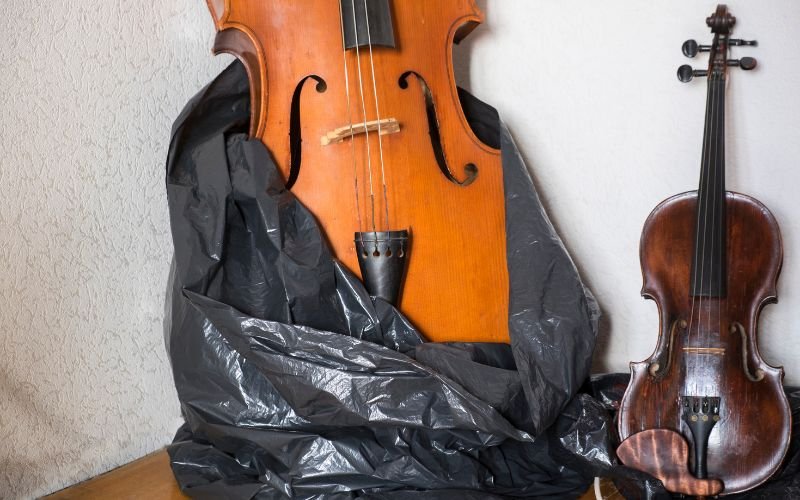
Discover: 5 classical musical instruments revisited
Classical music hasn't changed, but the way we listen to it has.
If classical music is reaching more young people today, it is not because it has changed, but because there are now more ways to access it: popular TV series, video games, social media, playlists, etc.
And sometimes, listening doesn't stop there. We look for the song, add it to a playlist, try to play it on the piano or violin.
In short, classical music is being (re)discovered with contemporary codes, much to our delight.
👉 Want to take your practice to the next level? Whether you play classical or modern music, discover Newzik, the app designed for reading, annotating, and working on your sheet music, on both tablets and computers. Try Newzik for free
FAQ
Which classical music composers do young people like the most?
The most popular composers are often those whose works are already present in popular culture. Mozart, Bach, and Debussy are frequently mentioned because their music is recognizable, emotional, and widely used in films, TV series, and playlists.
Is classical music suitable for introducing children to music?
Yes. Classical music is particularly well suited to introducing children to music, as it stimulates listening, sensitivity to sound, and curiosity. Rich in nuances, rhythms, and emotions, it allows children to develop their attention and imagination without the need for theoretical understanding. Introduced in a fun and gradual way, it can be an excellent tool for musical discovery from an early age.
What place does classical music occupy in education today?
Classical music still plays an important role in education, particularly in schools, but the approach to it is changing. It is increasingly used as a medium for listening, cultural discovery, and musical awareness, rather than purely theoretical learning.